 Search




Modern Cataract Surgery. Clearer Vision. Better Quality of Life.
 Minimal Discomfort Faster Recovery
Modern Cataract Surgery. Clearer Vision. Better Quality of Life.
Minimal Discomfort Faster Recovery
Modern Cataract Surgery. Clearer Vision. Better Quality of Life.
Minimal Discomfort Faster Recovery






Years of Trust

Eye Surgeries Performed

Google Reviews
Accredited Eye Care

Refractive Technology Platform

Patients from


 Will all suitable treatment options be discussed with the attending doctor/surgeon?
 How do I book an appointment?
 Will I receive copies of my reports and test results?
 Do you have corporate empanelment or cashless facilities?
 Can I have a video consultation?
 How much time should I expect to spend during my visit?
 View All FAQ.s



Aug 10, 2026

Aug 18, 2026
Last updated - 2 months back
VIEW ALL NEWS
Patients from across India and more than 50 countries trust WEI for advanced and personalised eye care.
 SEE WHERE OUR PATIENTS COME FROM
Explore patient guidance and our complete range of eye-care services.
Our philosophy, our heritage and the principles that shape every decision we make.
Our commitment to education, research and social responsibility that creates a lasting impact beyond our hospital.




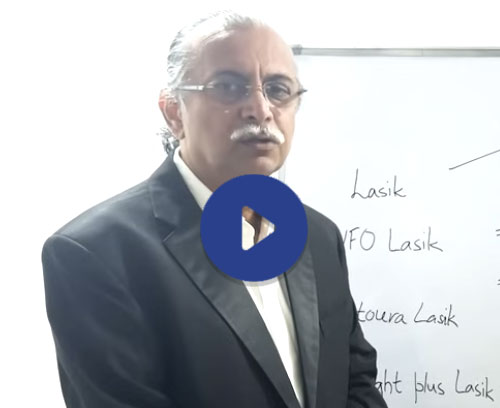
It is very important to understand suitability for LASIK. One important thing to remember is that the word "LASIK" is commonly used for laser vision correction in general. In reality, it includes different laser-based procedures such as Wavelight Plus, Contoura, StreamLight and SmartSight. LASIK itself can further be divided into blade and bladeless procedures.
At Wavikar Eye Institute, all these options are available. The patient undergoes a thorough eye examination so that we can understand the eyes in precise detail and decide which procedure is most suitable and safest for long-term visual quality.
The tests usually include detailed corneal mapping or tomography using one of the advanced MS-39 machines to understand the shape and stability of the cornea. A dry eye work-up is also very important today because of increased screen time and digital exposure. A detailed retina examination is performed using the sophisticated Daytona imaging system to ensure overall retinal health. Specialized tests like Corvis ST help us understand the strength and biomechanical stability of the cornea. Additional customized tests are also performed for procedures like Contoura and Wavelight Plus. Even the spectacle power is carefully cross-checked using multiple methods to improve planning accuracy.
All these tests help us not only decide whether laser vision correction is suitable, but also which type of procedure may be best for your eyes.
Along with the eye examination, general health, medications and lifestyle factors are also important in deciding suitability. As a general rule, LASIK may not be suitable for patients below 18 years of age, patients whose spectacle power has changed significantly in the last one year, patients on certain medications, patients with some hormonal disorders, patients on certain anti-psychiatric medications, or patients with substance abuse. Therefore, it is very important to share all relevant medical history openly with your doctor. Let the doctor decide what is important and what is not.
The goal is not simply freedom from glasses, but choosing the most suitable and safest vision correction plan for your eyes.

One of the most common questions patients ask is - which LASIK procedure is best for me? The important thing to understand is that there is no single procedure which is ideal for every eye. The choice of the procedure depends upon the findings of the eye tests, LASIK work-up, patient profile and lifestyle.
Today, several advanced options are available for laser vision correction, including Contoura, Wavelight Plus, StreamLight and SmartSight. Each of these procedures has its own strengths and indications. If you have not already watched our video on LASIK suitability, we would strongly recommend watching that first.
At Wavikar Eye Institute, we believe that the procedure should be selected according to the eye, rather than trying to fit every patient into one technology. This is why detailed evaluation becomes extremely important. Tests like corneal mapping on the MS-39, corneal biomechanics using Corvis ST, dry eye analysis and specialized measurements for customized procedures help us understand which option may provide the safest and most stable long-term outcome.
After the evaluation, our surgeon will recommend one procedure but will also be open to discussing the pros and cons of other procedures if the patient desires.
Broadly speaking, the laser-based procedures, collectively referred to here as LASIK for the sake of convenience, can be divided into flap-based and flapless procedures. Flap-based procedures include different types of LASIK, while flapless procedures include two broad categories. The first is lenticule extraction procedures like SmartSight NOVA, popularly known as SMILE, where a small disc of tissue is removed from within the cornea. The second is StreamLight, technically called advanced surface ablation, where the laser treatment is performed on the surface of the cornea. The accompanying animations will make it easy for you to understand these technologies.
LASIK technology has now been available for more than three decades and has evolved significantly over time. Its long track record, safety profile and continuous technological refinement make it one of the most trusted vision correction procedures worldwide. Advanced customized treatments like Contoura and Wavelight Plus have further helped improve visual quality in selected patients.
As a general rule, highly customized procedures like Wavelight Plus may help optimize quality of vision in selected patients. Flapless procedures such as SmartSight and StreamLight may be preferred in some patients involved in contact sports and may also reduce the chances of post-operative dryness in selected cases. StreamLight is often more suitable for lower spectacle numbers. On the other hand, flap-based LASIK procedures usually provide faster visual recovery in the first few days after surgery, while flapless procedures may take slightly longer for recovery but often allow return to routine activities comfortably after the first week.
The final decision always depends on detailed evaluation, lifestyle needs and long-term safety considerations. The goal is not simply to perform LASIK, but to choose the most suitable vision correction plan for your individual eyes and lifestyle.

Now let us understand recovery and restrictions after LASIK and laser vision correction. Even though the general precautions remain similar, recovery and restrictions may vary from procedure to procedure.
In flap-based LASIK procedures, visual recovery is usually very fast. Recovery after StreamLight and lenticule extraction procedures like SMILE and SmartSight NOVA may sometimes be slower. Daytime vision often improves earlier, whereas night vision may improve more gradually.
Discomfort after modern refractive surgery is usually temporary. Surface treatment procedures like StreamLight may involve relatively more temporary discomfort, watering or light sensitivity during the first one or two days, whereas LASIK and lenticule extraction procedures are generally more comfortable during the early recovery period. Some patients may also experience foreign body sensation, mild fluctuations in vision or temporary patchy blurring during healing.
Screen usage is usually allowed quite early after surgery. Across most procedures, many patients are able to resume computer work around the third or fourth day, initially for shorter periods and then gradually increase usage with proper breaks and lubrication. Many patients are able to return to longer working hours of around 7 to 8 hours per day within the first week after confirmation from the treating doctor. Headache, dryness or temporary fluctuating clarity during prolonged screen usage can occasionally occur in the early recovery phase.
Joining work depends upon the type of profession and the procedure performed. Many patients with desk jobs or studies are often able to resume reasonably normal working schedules by around the sixth or seventh day. Patients involved in dusty environments, heavy outdoor activity or physically demanding professions may sometimes require slightly longer precautions.
Patients are generally advised to avoid rubbing the eyes and splashing water directly into the eyes during the early healing period. Head bath is usually allowed after around 5 days in procedures like StreamLight and SmartSight NOVA, and after around 8 days in flap-based LASIK, depending upon healing. Eye makeup and facial products around the eyes may also require temporary precautions depending upon the procedure performed.
Gym activities are usually allowed after around 6 to 7 days in most procedures, while swimming may often be resumed earlier after StreamLight and SmartSight NOVA compared to flap-based LASIK. Driving - especially night driving - should be resumed only when the patient feels sufficiently comfortable and confident with the quality of vision.
One of the most important aspects of recovery is proper and regular use of the prescribed eye drops. Proper follow-up visits are also extremely important and should not be neglected.
At Wavikar Eye Institute, detailed post-operative guidance is provided and patients are encouraged to remain in touch with the treating team during recovery.
One of the most common questions patients ask is - with so many centres offering LASIK and laser vision correction today, how should one choose the right centre?
The choice of a LASIK centre should ideally depend upon availability of multiple technologies, detailed pre-operative evaluation, careful analysis of the findings, open discussion with the patient, surgical expertise and experience, and finally the philosophy with which all these are combined together.
At Wavikar Eye Institute, we believe that refractive surgery is not only about performing a laser procedure. A major part of achieving good long-term results lies in selecting the right patient, choosing the right technology and planning the treatment carefully for that particular eye. The success of refractive surgery depends not only upon advanced technology, but also upon careful judgment, planning, surgical execution and long-term patient care.
This is the reason why multiple technologies such as Contoura, Wavelight Plus, StreamLight and SmartSight NOVA are available at Wavikar Eye Institute. Different technologies have different strengths and limitations, and the most suitable procedure may vary from patient to patient depending upon the eye findings, profession, lifestyle and visual expectations.
The refractive work-up at Wavikar Eye Institute is designed to study the eye in great detail. Tests include advanced corneal tomography using the MS-39, corneal strength analysis using Corvis ST, dry eye evaluation and assessment of binocular coordination or eye teaming in selected patients.
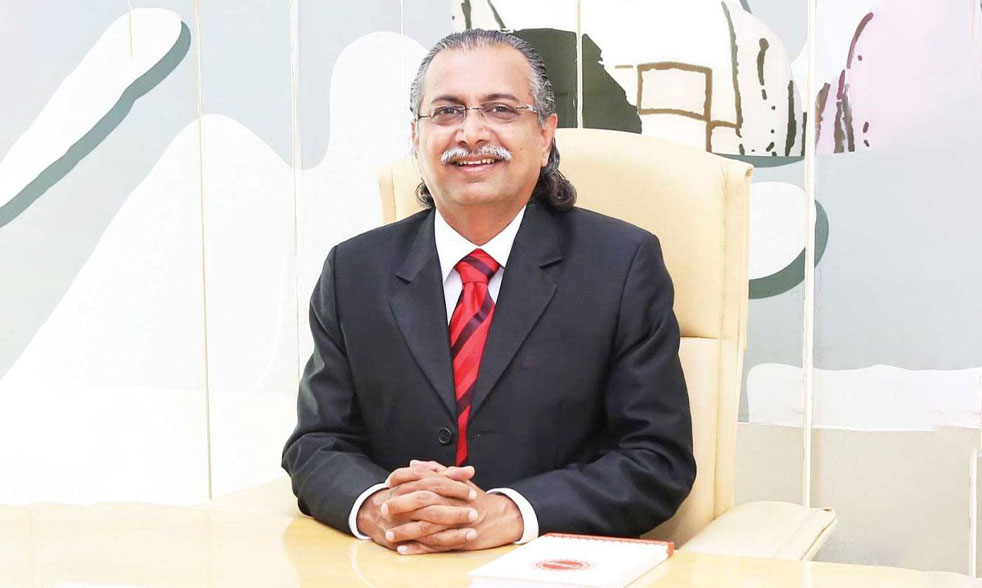
Another important factor is surgical experience and academic involvement. Dr. Chandrashekhar Wavikar has been associated with refractive surgery for more than three decades and has been actively involved in academic teaching, national and international presentations and adoption of evolving technologies in refractive surgery. Wavikar Eye Institute was also among the early adopters of technologies such as Wavelight Plus and SmartSight NOVA in India.
One of the most critical factors behind consistently good results is the philosophy with which refractive surgery is practiced. A major part of successful refractive surgery lies in developing and consistently following high-quality protocols - whether during evaluation, surgery or post-operative care. Wavikar Eye Institute places great importance on maintaining these standards sincerely and consistently. Proper post-operative guidance and follow-up care are also given high importance, because recovery and visual adaptation continue even after the surgery is completed.
At Wavikar Eye Institute, patients are encouraged to discuss their expectations, concerns and preferences openly before taking a decision. Our role is not simply recommending the newest or most marketed technology, but helping patients make an informed and balanced choice based on what is genuinely most suitable for their eye and lifestyle.
The institute has also maintained NABH accreditation for many years, reflecting emphasis on protocols, safety standards and quality systems.

One of the most common questions patients ask today is - what is the difference between LASIK, SMILE and SmartSight NOVA, and which procedure is more suitable for me? The answer depends upon multiple factors such as corneal structure, spectacle number, dryness status, sports activity, profession and visual expectations.
Let us first understand LASIK. In LASIK, a thin corneal flap is created and lifted, and the laser treatment is then performed on the underlying corneal bed to correct the spectacle number. The flap is then repositioned back in place. LASIK has one of the longest track records in refractive surgery worldwide, with decades of clinical experience, continuous technological refinement and millions of procedures performed globally. Modern bladeless LASIK has evolved significantly over time and highly customized treatments like Contoura and Wavelight Plus can further help improve treatment precision and quality of vision in selected patients.
SMILE and SmartSight NOVA belong to a category called lenticule extraction procedures. In these procedures, a very thin disc of tissue called a lenticule is created within the cornea using a femtosecond laser and removed through a very small opening, without creating a large flap. Over time, lenticule extraction has become popularly associated with the word "SMILE." SMILE stands for Small Incision Lenticule Extraction and is a trade name associated with the ZEISS platform.
SmartSight NOVA is one of the newer advances in lenticule extraction technology. It incorporates features such as fully automatic cyclotorsion compensation and automatic compensation for docking alignment errors. In simple terms, these technologies help maintain more accurate alignment of treatment even if the eye rotates slightly or there is minimal positional shift during docking. This may help improve treatment centration and precision in selected cases.
One of the major practical differences between these procedures is that LASIK is a flap-based procedure, whereas SMILE and SmartSight NOVA are flapless procedures. Because flapless procedures involve a smaller opening and less disturbance to corneal nerves, they may reduce post-operative dryness in selected patients. Flapless procedures are also commonly preferred for patients involved in contact sports because there is no large corneal flap. Some studies also suggest better preservation of corneal biomechanical strength with lenticule extraction procedures in selected situations.
At the same time, highly customized LASIK procedures like Contoura and Wavelight Plus may offer advantages in visual customization and optical quality in selected patients. LASIK also usually provides faster visual recovery during the first few days after surgery. On the other hand, lenticule extraction procedures often allow earlier freedom from many post-operative restrictions. In procedures like SmartSight NOVA, many routine activities are comfortably resumed within the first week, including activities such as swimming after the advised recovery period.
At Wavikar Eye Institute, the decision is not based simply on which technology is newer, but on which option provides the best balance of safety, visual quality, comfort and long-term stability for the individual eye. A detailed refractive work-up helps us decide which procedure may be most suitable for each patient.
The aim is not simply choosing between LASIK, SMILE or SmartSight NOVA, but choosing the right technology for the right eye.

Wavelight Plus and Contoura are both highly advanced customized laser vision correction technologies based on the Alcon Wavelight platform. So, Wavelight refers to the laser technology itself, whereas Wavelight Plus is a highly customized type of treatment performed using that technology. While both procedures aim to reduce spectacle number and improve quality of vision, the way they plan the treatment is different.
In Contoura, the treatment is planned using highly detailed mapping of the front surface of the cornea. More than 22,000 elevation points on the cornea are analyzed to identify even very small irregularities on the corneal surface. In addition to correcting the spectacle number, Contoura also attempts to treat these small irregularities, which improves quality of vision in selected patients.
Wavelight Plus, also called Wavelight Plus InnovEyes, takes customization a step further. While Contoura studies the front surface of the cornea, Wavelight Plus additionally analyzes the back surface of the cornea and the internal optical structures of the eye. Using advanced ray tracing technology, it creates a highly detailed three-dimensional model of the eye known as the "Digital Eye Twin." The computer system then creates a highly individualized treatment plan aimed at achieving the best possible visual outcome. This level of planning goes significantly beyond treatment based mainly on the front corneal surface alone. By analyzing the eye in much greater optical detail, Wavelight Plus helps provide a more individualized treatment plan, which improves quality of vision in selected patients.
Contoura itself is already a highly advanced and well-established customized refractive procedure with many years of successful clinical use worldwide. Wavelight Plus should therefore be viewed more as an evolution and refinement of customization rather than a completely different category of surgery.
Another very important point is that even though advanced imaging systems and software play a major role in treatment planning, the surgeon's judgment remains extremely important. The final treatment decision still depends upon proper interpretation of the data, suitability of the eye and careful surgical execution. Technology can assist the surgeon significantly, but it cannot replace surgical experience, judgment and precision.
Wavikar Eye Institute was among the early adopters of both these technologies in India, including Wavelight Plus in 2024. Our approach is to recommend the technology best suited for a particular eye rather than simply recommending the newest technology or the one currently in vogue.
Our goal is to provide stable, safe and high-quality vision rather than simply performing refractive surgery.

The terms "touchless" and "flapless" LASIK are becoming increasingly popular and naturally create a lot of curiosity among patients. Therefore, let us understand what these terms mean in reality.
Traditionally, LASIK involves creation of a corneal flap. The flap is gently lifted and the laser treatment is performed on the cornea underneath to correct the spectacle number. In flapless procedures, a large corneal flap is not created. This category mainly includes procedures such as StreamLight and lenticule extraction procedures like SMILE and SmartSight NOVA.
Not all flapless procedures are the same. StreamLight is a surface treatment procedure in which the laser treatment is performed directly on the surface of the cornea without creating a flap. Even the thin outer layer of the cornea is removed by the laser itself, which is why the procedure is often called "touchless." StreamLight is a modern laser-based form of advanced surface ablation and is also often preferred for lower spectacle numbers in selected patients.
SMILE and SmartSight NOVA, on the other hand, are lenticule extraction procedures performed from within the cornea through a very small opening. In these procedures, the laser creates a very thin disc-shaped layer of tissue called a lenticule within the cornea. This lenticule is then removed through the small opening to reduce the spectacle number. Recovery patterns, visual recovery and suitability may therefore differ between surface treatment procedures like StreamLight and lenticule extraction procedures like SMILE and SmartSight NOVA.
Because flapless procedures avoid creation of a large corneal flap, they may reduce post-operative dryness, preserve corneal strength better in selected situations and are often preferred for some patients involved in contact sports.
Flapless procedures may sometimes take slightly longer for the vision to become fully clear in the initial period. Because there is no large flap, many routine activities can often be resumed comfortably after the first few days. In procedures like SmartSight NOVA and StreamLight, even activities such as swimming are usually allowed after the advised recovery period.
Modern LASIK procedures, on the other hand, are highly refined surgeries with excellent long-term track records worldwide and usually provide very fast visual recovery and early visual comfort after surgery. Advanced customized treatments can further improve treatment precision and quality of vision in selected patients. These treatments are currently more directly compatible with flap-based LASIK procedures. Some degree of customization may still be possible with StreamLight depending upon treatment planning, whereas direct customization is currently not available on lenticule extraction platforms, including SmartSight NOVA.
Both SmartSight NOVA and StreamLight technologies are available at Wavikar Eye Institute. The most suitable procedure is selected after detailed evaluation of the eye and the patient's visual needs.

Today, patients searching for LASIK or laser vision correction are often exposed to a very large number of terms and technologies - LASIK, bladeless LASIK, Contoura, Wavelight Plus, StreamLight, SMILE, SmartSight NOVA and many more. Naturally, this can sometimes feel confusing and overwhelming. The reassuring part is that patients are not expected to understand or compare all these technologies on their own. The role of the refractive surgeon and the evaluation process is to guide the patient towards the most suitable option for that particular eye.
One important thing to understand is that no single procedure is universally best for every patient. Every technology has its own strengths, limitations and ideal indications. The final decision depends upon multiple factors related not only to the eye, but also to the patient's lifestyle, profession and visual expectations. Newer or more heavily marketed technology may not necessarily be the most suitable option for every eye. The aim is always to choose the treatment that provides the best balance of safety, stability, comfort and improved quality of vision for that individual patient.
For example, some patients involved in contact sports may prefer flapless procedures because they avoid creation of a large corneal flap. Some patients with significant dryness or heavy screen usage may benefit from procedures designed to reduce disturbance to the corneal nerves. In patients with significant dryness, the accuracy and consistency of advanced measurements used for highly customized treatments may sometimes get affected. In such situations, it may be better to first improve the ocular surface and dryness before proceeding with the final treatment planning. Some patients may prioritize the fastest possible visual recovery, whereas others may give greater importance to long-term safety or specific lifestyle needs. Patients who are particularly sensitive about night driving, visual sharpness or subtle quality of vision differences may sometimes benefit from more advanced customized treatment planning.
Professional requirements may also influence the decision. The expectations of an IT professional working long hours on screens, a pilot, an athlete, a student preparing for competitive examinations or a patient frequently travelling for work may all be different. Similarly, some patients may be comfortable with a slightly slower recovery period if it offers other practical advantages suited to their lifestyle.
This is why detailed pre-operative evaluation becomes extremely important. At Wavikar Eye Institute, we help patients make an informed choice by carefully weighing the advantages and limitations of each procedure for that particular eye and lifestyle. Patients are encouraged to discuss their preferences and expectations openly with the doctor before taking a final decision. Our role is to provide guidance in as transparent and non-commercial a manner as possible.
One of the most common concerns patients have before LASIK is regarding possible side effects or long-term problems after surgery. The good news is that modern laser vision correction procedures have evolved significantly over the years and are considered very safe when performed after proper evaluation and patient selection.
At Wavikar Eye Institute, patients benefit from a combination of detailed evaluation, modern technology and decades of surgical experience. Detailed pre-operative testing helps us understand each eye carefully and select the safest and most suitable procedure accordingly. Wavikar Eye Institute has also been among the early adopters of several advanced refractive technologies in India, including Wavelight Plus in 2024 and SmartSight NOVA in 2026.
Dr. Chandrashekhar Wavikar has been performing refractive surgery for over three decades and regularly participates as faculty and speaker at national and international academic forums. The institute follows safety protocols and planning standards comparable to those used at reputed international refractive surgery centres. Wavikar Eye Institute has also maintained NABH accreditation standards for more than 15 years, reflecting our emphasis on safety, protocols and patient care. The emphasis is always on long-term safety, stability and quality of vision rather than simply reducing spectacle number.
A careful pre-operative evaluation plays a major role in reducing the chances of post-operative concerns. Detailed tests for corneal shape, corneal strength, dryness and optical quality help us understand each eye in greater detail and select the safest and most suitable procedure accordingly.
At the same time, it is important to understand that every surgical procedure can have some temporary symptoms or limitations, and LASIK is no exception. The most common concern after LASIK is temporary dryness of the eyes. This usually improves gradually with lubricating drops and proper care. Some patients may also notice glare, halos or fluctuations in vision in the initial period, especially during night driving. In most patients, these symptoms reduce significantly as the eyes heal and the brain adapts to the new visual system.
LASIK and other laser vision correction procedures are primarily designed to reduce dependence on glasses. In some patients, a very small residual spectacle number may remain after surgery, but this is usually negligible and patients are generally able to comfortably perform daily activities without glasses. In the uncommon situation where a significant residual number remains, enhancement procedures can usually be planned safely after stabilization and are generally performed at no additional surgical cost. Fortunately, such situations are considered uncommon worldwide after proper screening and patient selection.
Similarly, once the spectacle number is reduced to a negligible level, there can occasionally be some return of power over time. The common reasons include natural growth of the eye, hormonal changes such as pregnancy, or a rare condition called corneal ectasia. Fortunately, such situations are rare worldwide, especially after proper screening and patient selection. Tests like corneal tomography and Corvis ST are extremely helpful in predicting the risk of corneal ectasia, which is one of the reasons why great importance is given to detailed pre-operative evaluation at Wavikar Eye Institute.
Natural age-related changes can still occur in the eyes later in life, even after successful LASIK. For example, reading glasses after the age of forty are usually related to natural ageing of the lens and not because of any problem with the LASIK procedure itself. It is also important to follow all precautions advised after surgery, use the prescribed eye drops regularly and continue periodic follow-up examinations.
We are proud that our visual outcomes and safety standards closely match the benchmarks reported by reputed international refractive surgery centres. If you would like to understand this in greater detail, we would also recommend watching our separate video on LASIK results and safety standards at Wavikar Eye Institute.
Many patients are surprised to learn that even if they are not suitable for LASIK or laser vision correction, there may still be other options available to reduce dependence on glasses.
Not being suitable for LASIK does not automatically mean that nothing can be done. The eye may simply be better suited for a different type of procedure. This is one of the reasons why detailed pre-operative evaluation is so important.
Broadly speaking, the common alternatives include Implantable Contact Lens surgery (ICL) and lens-based procedures such as PRELEX or refractive lens exchange. Suitability for these procedures depends upon factors such as age, spectacle number, corneal thickness, eye power stability, dryness status, lifestyle and the natural lens status of the eye.
Broadly speaking, ICL is more commonly considered for higher minus spectacle numbers, thinner corneas or situations where laser correction may not be ideal. Since the cornea is not reshaped with laser treatment, some patients may also experience less dryness-related issues compared to corneal laser procedures.
PRELEX, on the other hand, is more commonly considered in selected patients with higher plus numbers, early age-related lens changes or increasing difficulty with near vision. In this procedure, the natural lens of the eye is replaced with an artificial intraocular lens, similar to modern cataract surgery. Depending upon the type of lens selected, it may help reduce dependence on both distance and near glasses.
For more detailed information about ICL surgery and PRELEX, please visit the dedicated sections on our website: ICL / PRELEX
In selected situations, a combination of two refractive procedures, commonly called bioptics, may also be considered. For more information about bioptics, please visit: Bioptics
It is important to understand that every procedure has its own strengths, limitations and possible side effects. The aim is therefore not to push every patient towards LASIK, ICL or PRELEX, but to identify which option is genuinely safest and most suitable for that particular eye and lifestyle.
In some situations, the safest and most appropriate recommendation may be to avoid surgery altogether and continue with glasses or contact lenses.
At Wavikar Eye Institute, the evaluation process is designed not only to determine whether a patient is suitable for LASIK, but also to explore whether another vision correction option may provide a better long-term solution. Patients are encouraged to discuss the advantages, limitations and expectations of each procedure openly before taking a final decision.

With careful patient selection, meticulous planning, modern technology and meticulous surgery, the outcomes achieved at Wavikar Eye Institute are comparable to internationally accepted standards in properly selected patients. Most patients are able to achieve excellent day-to-day functional vision without glasses for activities such as driving, screen usage, work and sports.
That is because great importance is placed on maintaining high standards and attention to detail at every step of the refractive surgery process. The quality of the final result depends not only upon advanced technology, but also upon detailed pre-operative evaluation, precise application of technology, surgical skill, surgeon experience, meticulous execution and proper post-operative follow-up.
Multiple technologies such as Contoura, Wavelight Plus, StreamLight and SmartSight NOVA are available at Wavikar Eye Institute because different eyes may benefit from different approaches. The technology is selected according to the patient's eye structure, dryness status, profession, lifestyle and visual expectations.
High-quality protocols, surgical precision and attention to detail continue to play a very important role in refractive surgery. Refractive surgery is not simply a machine-driven procedure. Careful judgment, centration and meticulous execution during surgery are extremely important for achieving consistent and predictable results.
Detailed follow-up and patient guidance are considered an important part of the treatment process. With meticulous planning and careful patient selection, the need for enhancement procedures is quite uncommon, although enhancement may be considered when appropriate.
The ultimate goal is to combine advanced technology with meticulous planning and surgical precision to help patients achieve safe, stable and high-quality vision in real life.
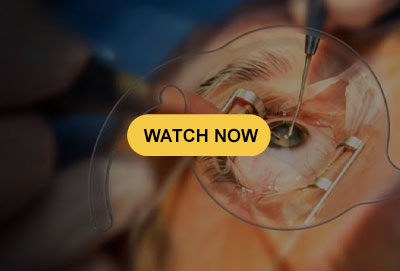

In most situations, cataract surgery is neither an emergency nor a semi-emergency procedure. Patients usually have enough time to understand their condition, discuss the available options and plan their surgery.
The right time therefore varies from person to person. A commercial pilot may require surgery much earlier than a retired person whose daily visual needs are limited to watching television and reading at home. Cataract surgery should be planned according to the patient's visual needs, not merely the grade of the cataract.
Do I need to wait for my cataract to ripen?
Many people still believe that cataracts should be allowed to 'ripen' before surgery. This was often true 25–30 years ago, when surgical techniques were very different. Today, this is usually not recommended.
A cataract may take many years, or even decades, to become fully mature. Waiting that long means living with unnecessarily poor vision for a prolonged period. More importantly, a dense cataract may make it difficult to examine the retina and optic nerve adequately. As a result, conditions such as glaucoma, diabetic retinal disease and macular disorders may progress unnoticed or become more difficult to treat. Very hard or mature cataracts may also increase the complexity of surgery and, in some cases, the risk of complications.
For these reasons, waiting for a cataract to ripen before surgery is no longer recommended in most patients.
Sometimes earlier cataract surgery is the better option
Although cataract surgery usually allows enough time for planning, waiting is not always the best option.
Sometimes the patient's visual needs themselves justify earlier surgery. When reduced vision begins to interfere with work, driving, hobbies, mobility, independence or safety, postponing surgery rarely benefits the patient.
In other patients, the health of the eye favours earlier surgery. A naturally crowded eye may have a higher risk of developing raised eye pressure (glaucoma). Similarly, a cataract may prevent adequate examination or treatment of retinal diseases. Earlier surgery in such situations may help protect the health of the eye as well as improve vision.
Patients with high spectacle numbers may also benefit from earlier surgery because it can significantly reduce dependence on thick spectacles. Another common situation arises after surgery in one eye. The operated eye usually has little or no spectacle power, while the other eye may still have a high number. This creates a significant difference in spectacle power between the two eyes, which may be difficult to tolerate with spectacles. In such cases, earlier surgery on the second eye may be advisable even if the cataract is relatively mild. In selected patients, a contact lens trial for the unoperated eye may provide temporary relief until surgery is planned. Finally, certain cataracts, such as posterior polar, very hard or mature cataracts, often require earlier surgery together with careful surgical planning.
Sometimes waiting is the better option
One of the commonest reasons is significant dry eye disease or Meibomian Gland Dysfunction (MGD). An unhealthy ocular surface can reduce the accuracy of pre-operative measurements, affect intraocular lens selection and may temporarily worsen because of the eye drops used after surgery. Treating the ocular surface first usually results in more accurate planning and better visual outcomes. Similarly, cataract surgery may be postponed in patients with diabetic macular oedema until the retinal swelling has been adequately treated or stabilised. This reduces the risk of worsening the condition after surgery and improves the chances of achieving the best possible vision.
Less commonly, surgery may also be deferred until conditions such as active uveitis or active eye infections, including herpes simplex infection, have been adequately treated.
The WEI Approach
At WEI, every decision is individualised. A detailed examination, advanced diagnostic investigations and an open discussion help us decide not only whether surgery is appropriate, but also when it is most likely to provide the safest operation and the greatest improvement in vision and quality of life.
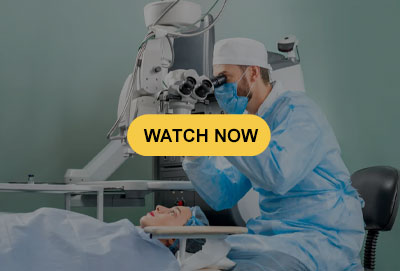

Before cataract surgery, every patient has to make two important decisions. The first is choosing the most appropriate intraocular lens (IOL). The second is choosing the most appropriate surgical technology. Let's talk about technology first.
Today, several technologies are available for cataract surgery. Understanding their differences helps patients make an informed decision together with their Ophthalmologist.
How has cataract surgery evolved?
Manual Cataract Surgery
Manual cataract surgery (Small Incision Cataract Surgery or SICS) continues to be performed successfully throughout the world. It remains an excellent option for selected patients, particularly those with very dense cataracts or where an economical solution is preferred. Manual cataract surgery is also available at WEI whenever it is the most appropriate option for the patient's eye condition or budget.
Other Technologies
Several technologies such as Zepto®, CapsuLaser® and other precision capsulotomy devices have been introduced to improve individual steps of cataract surgery. Although they have their advantages, they are less commonly used than the two principal technologies available today—Phacoemulsification and Femtosecond Laser-Assisted Cataract Surgery.
Phacoemulsification (Phaco)
Phacoemulsification is the gold standard of modern cataract surgery and the most widely performed technique worldwide. Through a tiny incision, ultrasound energy is used to break the cataract into small fragments, which are then gently removed before implanting a foldable intraocular lens.
Modern Phaco surgery offers excellent visual outcomes, rapid recovery and a very high level of safety.
Femtosecond Laser-Assisted Cataract Surgery (LenSx®)
In 2011, WEI became the first centre in Asia to install the LenSx® Femtosecond Laser System, reflecting our commitment to introducing technology that genuinely benefits patients.
The femtosecond laser performs four important steps of cataract surgery:
These are the very steps that traditionally depended entirely on surgical instruments during conventional Phaco surgery.
LenSx® was the first femtosecond laser platform to receive US FDA approval for all these steps and remains one of the most widely installed femtosecond cataract laser systems worldwide.
Its benefits can be summarised in three simple words.
Safety: By fragmenting the cataract before removal, the laser may reduce the amount of ultrasound energy required inside the eye in selected patients, making surgery gentler on delicate eye structures.
Precision: Highly accurate incisions and capsulotomies may improve astigmatism correction and positioning of premium intraocular lenses in selected patients.
Quality: Greater precision and consistency contribute to more predictable outcomes in appropriately selected patients.
Among these advantages, patient safety always remains our highest priority.
What is Robotic Cataract Surgery?
The term "robotic cataract surgery" is increasingly being used to describe femtosecond laser-assisted cataract surgery. In reality, no robot or robotic arm is involved in the procedure. The surgery is still performed entirely by the surgeon, as the laser performs certain pre-programmed steps with great precision.
Patients should therefore choose a technology based on the benefits it offers for their eye—not on the terminology used to describe it.
True robotic cataract surgery has only recently entered human clinical practice. In October 2025, Dr. Uday Devgan performed the world's first robotic-assisted human cataract surgeries using the Polaris™ robotic platform developed by Horizon Surgical Systems as part of a first-in-human clinical study. Although the initial results were encouraging, the technology is still investigational and is likely to take several years before becoming widely available for routine cataract surgery. This should not be confused with the laser-assisted cataract surgery that is currently available in clinical practice.
Interestingly, history appears to be repeating itself. Many years ago, Phaco surgery was often called "laser cataract surgery" for convenience, even though no laser was actually used. When true femtosecond laser technology became available, this understandably created confusion. Today, a similar misunderstanding is developing with the term "robotic cataract surgery." Understanding the technology behind the terminology is therefore far more important than the terminology itself.
Choosing the Right Technology – The WEI Approach
At WEI, we believe there is no single technology that is best for every patient. The choice depends on the condition of the eye, the type of cataract, the intraocular lens being implanted, the expected visual outcome and, importantly, the patient's budget.
When more than one technology is suitable, we explain the advantages, limitations and cost of each option in an unbiased manner. We then help our patients make an informed decision based on the expected clinical benefit, their individual requirements and affordability.
Our commitment to meticulous surgery, patient safety and quality of care remains exactly the same, irrespective of the technology chosen.
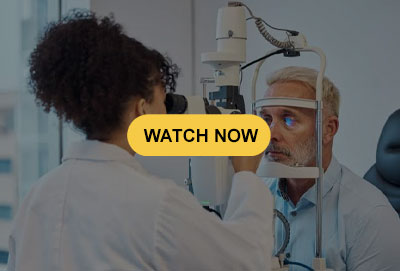
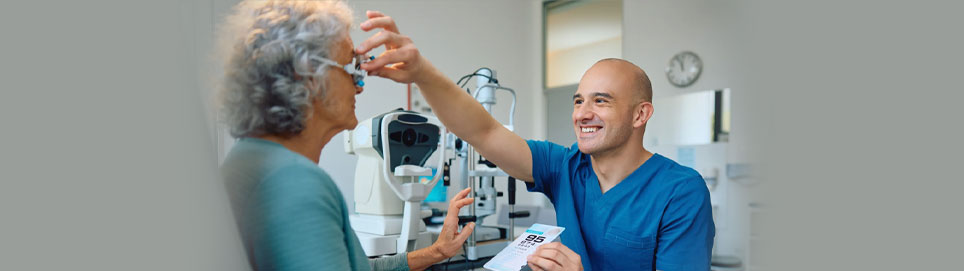
Many patients are surprised that planning for cataract surgery often takes longer than the surgery itself. They naturally ask, “Doctor, if you already know I have a cataract, why do I need so many tests?”
That is a very good question. In fact, it is important for every patient to understand the purpose behind these tests well before the day of surgery.
Modern cataract surgery is no longer just about removing the cataract. It is about carefully planning the operation so that you achieve the best possible vision afterwards. Every investigation provides information that helps us customise the surgery specifically for your eye.
One of the most important parts of the Cataract Work-up is obtaining accurate measurements of the eye for intraocular lens calculation. At the same time, we carefully evaluate the health of the cornea. Many patients have dry eye disease or Meibomian Gland Dysfunction (MGD) without being aware of it. An unhealthy ocular surface can affect these measurements and may temporarily worsen after surgery because of the eye drops prescribed during the recovery period. Treating dry eye beforehand often results in better surgical planning and improved visual outcomes. At WEI, we also routinely evaluate the health of the corneal endothelial cells, which helps us plan surgery more safely, particularly in patients with dense cataracts or pre-existing corneal disease.
The shape of the cornea is also carefully assessed. This allows us to accurately measure astigmatism, detect irregular corneas or previous refractive surgery, and decide whether additional astigmatism correction is likely to improve the final visual result.
A careful examination of the retina and optic nerve is equally important. Cataract is not always the only cause of reduced vision. Conditions such as diabetic retinal disease, age-related macular degeneration and glaucoma may also be present and influence both the expected visual outcome and the surgical plan. Identifying these conditions beforehand helps us plan treatment appropriately and set realistic expectations.
Patients considering trifocal or EDOF intraocular lenses usually require a more detailed work-up.
In addition to the Cataract Work-up, we assess the quality of vision, optical aberrations, dry eye, retinal health, pupil characteristics and other factors that may influence the performance of these lenses. We also discuss the patient’s occupation, lifestyle, visual expectations and ability to adapt to premium optics.
To further support informed decision-making, Dr. Chandrashekhar Wavikar, Dr. Gargi Wavikar and their team have developed a novel software platform that helps patients visualise and better understand their expected post-operative vision and the process of neuroadaptation before choosing a premium intraocular lens. The software received the Second Award among the innovations presented at the ISRS Conference, Taipei, in July 2026.
At WEI, we believe that successful cataract surgery begins long before entering the operating theatre. The outcome depends not only on the operation itself, but also on a thorough pre-operative work-up, thoughtful planning, detailed counselling, open discussion and high-quality surgical infrastructure.
Our cataract services are delivered in a NABH-accredited hospital, supported by advanced diagnostic technology, meticulous protocols and a modern operating theatre designed to maintain the highest standards of patient safety.
Our goal is not simply to perform a successful cataract operation, but to help every patient achieve the best possible quality of vision for their individual needs.
When considering eye treatment, patients often ask:
These are important questions. However, in many situations, the most important question is not "Which treatment is the best?" but rather "Which treatment is most appropriate for me?"
At WEI, decision-making begins with the belief that good outcomes depend not only on the treatment that is chosen, but also on how well that treatment matches the individual patient.
Two patients with similar clinical findings may not always receive the same recommendation. A successful decision depends not only on understanding the eye, but also on understanding the person behind it. Visual requirements, occupation, lifestyle, expectations, safety considerations, recovery requirements, long-term goals and practical considerations may all influence the final recommendation. For this reason, what is appropriate for one patient may not necessarily be the best choice for another.
This is one of the reasons why a wide range of diagnostic, medical, laser and surgical options are available under one roof at WEI. Having access to multiple treatment pathways allows recommendations to be guided by what is most appropriate for the individual rather than by a preference for any particular procedure or technology.
Sometimes the final recommendation may involve an advanced procedure. Sometimes it may be a simpler alternative. Occasionally, the most appropriate decision may even be to defer treatment.
At WEI, patients are encouraged to ask questions, seek clarification and participate actively in the decision-making process. The role of WEI is not simply to recommend a treatment, but to provide the information, guidance and support needed to make that decision with confidence.
Every patient who walks through the doors of WEI brings something unique—a concern, a hope, a question, an expectation or simply the need for trusted guidance.
At WEI, every interaction matters because every patient matters.
For over three decades, patients and families have trusted WEI with their eye care needs. That trust has been built one interaction, one relationship and one family at a time.
Whether it is a first phone call, a visit to the reception desk, a diagnostic evaluation, a discussion with a doctor, a counselling session or a follow-up visit years later, every effort is made to ensure that patients feel welcomed, informed and at ease. Visiting an eye hospital can sometimes feel overwhelming. Q.uestions are welcomed, discussions are encouraged and meaningful conversations are valued. Patients and families are encouraged to understand their condition, explore their options and participate actively in decisions regarding their care.
At WEI, patient care is built on relationships, not transactions. Every patient is different, and understanding the person behind the eye is considered as important as understanding the eye itself. Individual needs, expectations, lifestyle and personal circumstances often influence decisions as much as clinical findings.
Patients should feel comfortable approaching anyone at WEI, knowing that their questions, concerns and expectations will be heard with patience, empathy and respect. Every patient deserves the same attention, dignity and care, regardless of age, profession, background or circumstance. Many patients first arrive at WEI through the recommendation of a family member, friend or another healthcare professional. Over the years, entire families often come to regard WEI as their trusted partner in eye care. We believe this trust is earned one interaction at a time and maintained through a continued commitment to doing what is in the patient's best interest.
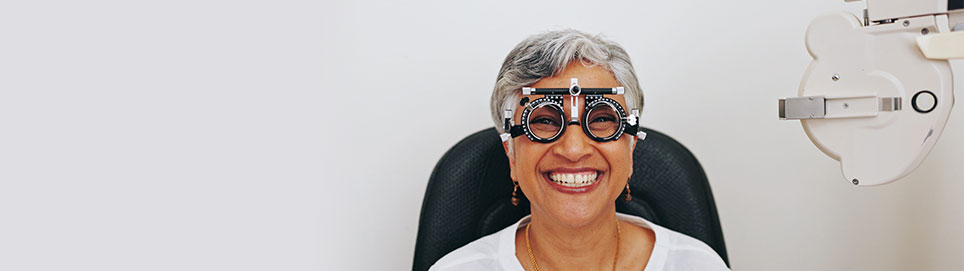
A successful operation is only one part of a successful outcome.
At WEI, our responsibility does not end when a technically successful surgery is completed. The period before and after surgery is equally important in determining how the patient ultimately sees and feels about the result.
Good communication is an important part of this journey. We encourage patients to tell us exactly what difficulty they are experiencing— if there are too many doubts, patients are encouraged to write them down before consultation. Sometimes a seemingly small observation from the patient provides an important clue and helps us address the problem early.
Post-operative care is equally important. Medicines should be used in the correct way and at the prescribed times, and scheduled follow-up visits should not be missed simply because the eye feels comfortable or the vision appears good.it is also important to follow only one prescription at a time. Patients should get the prescription clarified in the rare event of multiple prescription being given.Healing varies between individuals, and follow-up allows us to recognise and manage problems before they become significant.
Questions and concerns can also arise between visits. Our patients therefore have access to post-operative support by telephone and, where appropriate, video consultation, so that they can seek guidance rather than remain worried or make changes to treatment themselves.
Ultimately, we look beyond whether the operation was technically successful. We consider the quality of vision, the patient’s individual visual needs and whether the outcome is meeting those needs.
For us, surgical success is not the end of treatment. It is the beginning of a long term association in achieving the best possible visual outcome together.

Modern eye surgery can achieve remarkable results. But the availability of a surgical treatment does not by itself make surgery the best treatment. The more important question is: Will surgery meaningfully improve this patient’s vision, safety or quality of life?
The answer can be very different for different people. A relatively small reduction in vision may significantly affect the work of a pilot or defence personnel and justify earlier cataract surgery. The same degree of visual limitation may be quite acceptable to a retired, largely home-bound person whose principal requirements are watching television, using WhatsApp, viewing videos and reading larger print. The decision should therefore be based on the patient’s individual visual needs—not merely on the cataract or a test result.
Sometimes surgery is best deferred while the eye is made ready for surgery. Significant dry eye, inflammation, infection or certain retinal conditions may need to be treated first. Once the eye is in a better condition, surgery can often be performed more safely and predictably.
At other times, reduced vision may be predominantly due to retinal or optic nerve disease. In such situations, surgery may provide less improvement than expected, and its likely benefits and limitations need to be carefully considered beforehand.
Glaucoma is another good example. Several surgical options are available today, but glaucoma surgery has its own challenges and is not automatically the preferred treatment simply because it can be performed. Depending on the type and severity of glaucoma, medicines, laser treatment, observation or surgery may be the better choice.
The same principle applies to elective surgery and premium technologies. The most sophisticated or expensive option is not necessarily the best option for every patient. The condition of the eye, visual requirements, expectations and financial considerations all deserve to be taken into account. Sometimes a simpler or more economical option may be entirely appropriate.
At WEI, all appropriate treatment options are discussed with the patient, including the option of waiting or avoiding surgery when appropriate. The final recommendation takes into account the condition of the eye, the patient’s individual requirements, expected benefit and associated risks.
Imagine waking up in the morning and seeing clearly without reaching for your glasses.
For many people, freedom from glasses is more than a vision correction procedure. It may mean greater convenience, confidence during social interactions, freedom during sports and travel, or simply enjoying everyday activities with less dependence on spectacles or contact lenses.
Today, several options are available to help reduce dependence on glasses. Every eye and every patient are unique. The goal is to identify the solution that best fits both.
At WEI, multiple vision correction options are available under one roof. This allows the focus to remain on selecting the most appropriate solution rather than fitting every patient into a single procedure. Our role is not merely to explain the available options, but to help patients understand which option is most likely to align with their eyes, lifestyle and visual goals.
The question is often not whether freedom from glasses is possible, but which path is most appropriate for you.
Personalized laser vision correction using advanced eye modelling and Digital Eye Twin technology.
A proven laser vision correction procedure that reshapes the cornea to reduce dependence on glasses and contact lenses.
A minimally invasive lenticule extraction procedure that uses small-incision technology to reduce dependence on glasses.
A flap-free laser procedure performed on the corneal surface and suitable for selected patients.
An implantable lens placed inside the eye that may be suitable for patients with higher refractive errors or thinner corneas.
A lens replacement procedure that may be particularly suitable for selected patients with presbyopia or age-related lens changes.
Different eyes often require different solutions. Understanding the principles behind treatment selection may help you make a more informed decision.
A consultation helps determine which options may be suitable for your eyes, lifestyle and visual goals.

Led by country’s renowned cataract & refractive surgeon, Dr. C. M. Wavikar, cataract department at Wavikar Eye Institute has a world class diagnostic and treatment facility. Advanced technology like Infiniti Vision System with ozil IP torsional phacoemulsification capable of micro phaco or MICS (micro incision cataract surgery), Carl Zeiss VISU 210 microscope, IOL Master strengthens our cataract unit to make patient’s surgery the safest and highly effective one! Latest Intra Ocular Lenses like Multifocal, TORIC and ART lenses (“Restor and Raynor toric multifocal lens”) can make cataract surgery a life changing experience!
Our services also include CLE (Clear Lens Exchange), PRELEX (Presbyopic lens exchange), CTR (capsular tension rings for subluxated cataracts or zonular dialysis).
Corneal diseases and corneal blindness are treated with highly sophisticated equipments like DSAEK, Excimer Laser, Pentacam Oculyzer and surgeries performed by experienced & skilled surgeon. We are dedicated to eliminating corneal blindness and our eye bank is continuously working on it through active promotion of eye donation.
Cornea services are headed by Dr. Srivalli Kaza, a renowned corneal surgeon who has worked at the prestigious L V Prasad Eye Institute, Hyderabad as a consultant for 5 yrs. We routinely perform corneal procedures like Keratoplasty, DSAEK (Descemet’s Stripping Automated Endothelial Keratoplasty), Conjuctival Flap, Pterygium with Conjunctival Autograft, Rose K contact lens fitting, Sceral Lens Fitting for conditions like Steven Johnson Syndrome, Amniotic Membrane Transplant.

This branch dedicated to paediatric eye concerns like Squint and Amblyopia is handled by our paediatric ophthalmology expert handling these cases with utmost care and safety.

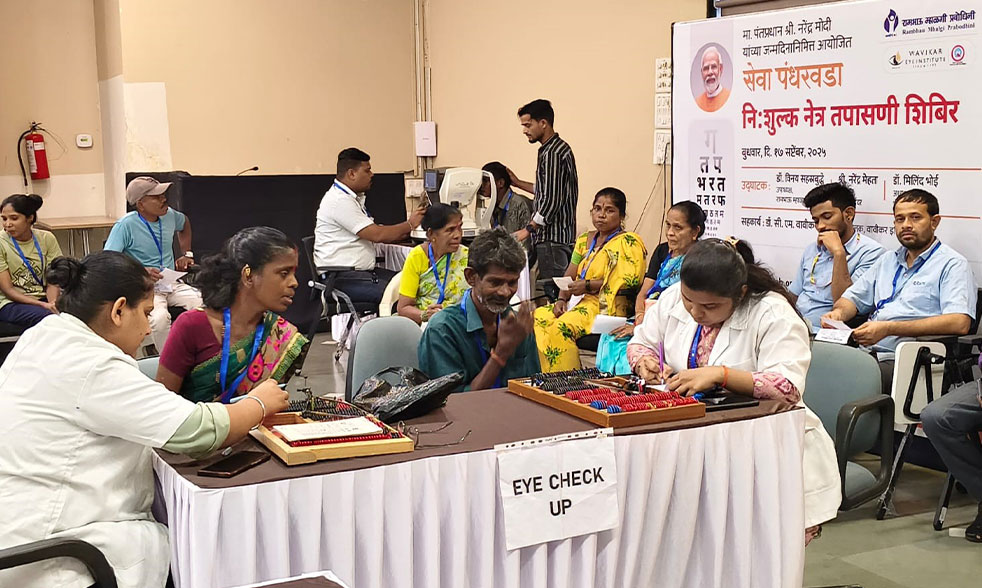
Diabetes, a widely observed disease in Indian Population, has adverse effect on eyes leading to many eye problems like Cataract, Glaucoma and Diabetic Retinopathy. Diabetic Eye Clinic of Wavikar Eye Institute is dedicated to detecting these diseases at earlier stage and managing them in an effective way. Our qualified team of consultants is available full time on panel. Wavikar Eye Institute conducts special activities like Diabetic Eye Problems awareness and screening programs, lectures and camps to help diabetics identify and teat their eye problems at right time.
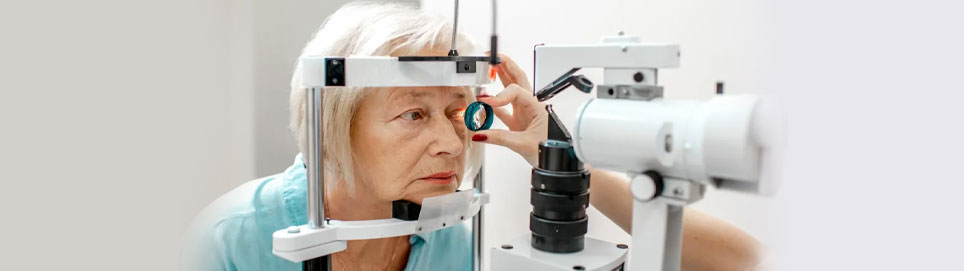
The unit offers advantage of early diagnosis and treatment modalities for sight threatening disease like glaucoma. Advanced screening with Perimeter (Humphrey visual field analyser i520), Pachymeter for Central Corneal Thickness, OCT ( posterior OCT for RNFL analysis & anterior OCT for anterior chamber angle analysis), Gonioscopy, latest medication options like SLT (Selective Laser Trabeculoplasty) make this unit an important part of our comprehensive eye care facility.
Procedures performed include YAG Laser Iridotomy, Trabeculotomy, Trabeculectomy with MMC (Mitomycin C), Glaucoma Mini Shunt (Glaucoma Express Shunt), Glaucoma Valve Surgery. We do not have HRT, Diode Laser Cyclophotocoagulation.
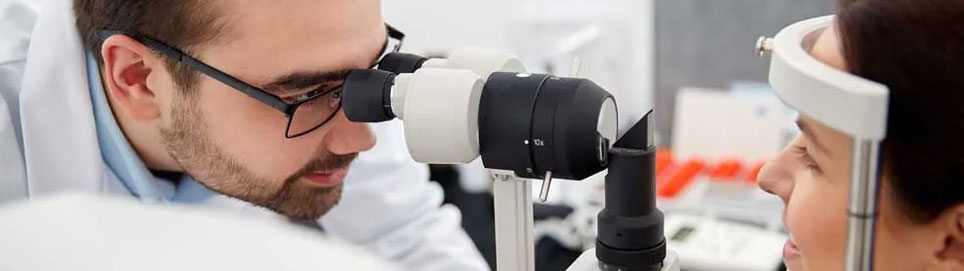
At WEI, every decision begins with the patient in mind. Beyond clinical findings, individual needs, expectations and circumstances are carefully considered to help identify the most appropriate path forward.
The day of treatment is only one chapter in the journey to a successful outcome.
While surgical skill, technology and clinical planning are important, they represent only part of that journey. Accurate diagnosis, careful planning, clear communication, meticulous execution, recovery and appropriate follow-up all contribute to the final result.
At WEI, achieving a successful outcome begins with detailed evaluation and careful planning. High standards of safety, established protocols and continuous attention to quality are considered important parts of patient care.
Sometimes, the difference between satisfaction and dissatisfaction lies not in the treatment itself, but in how closely the outcome matches expectations. For this reason, at WEI, open discussion before treatment is encouraged. Understanding what can realistically be achieved, as well as the limitations of a procedure, helps patients approach treatment with confidence and make informed decisions.
Patients who understand the treatment plan and recovery process are often better prepared for the journey ahead.
Recovery is also an individual process. Healing and adaptation may vary from person to person and from one procedure to another. Occasionally, unexpected situations may arise despite careful planning and execution. When this happens, the best results are often achieved when patients, their families and the treating team work together towards a common goal.
Following treatment instructions, medications and follow-up schedules is an important part of achieving a successful result. Any concerns or unexpected changes should be communicated promptly so that they can be addressed appropriately.
At WEI, a successful outcome is viewed as a shared journey—one built on trust, communication, understanding and teamwork.
While many of these principles apply to surgery, they are equally relevant to consultations, medical treatments and ongoing eye care in the outpatient setting.






 Watch Video