


From charitable care to personalised premium options, explore choices suited to different needs and budgets.
Explore
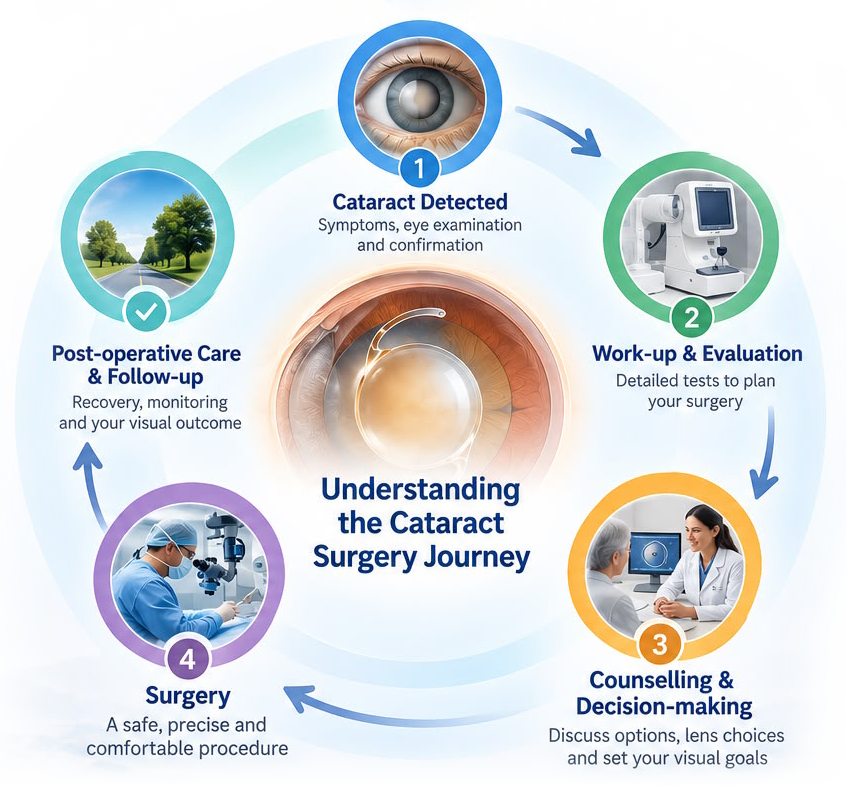

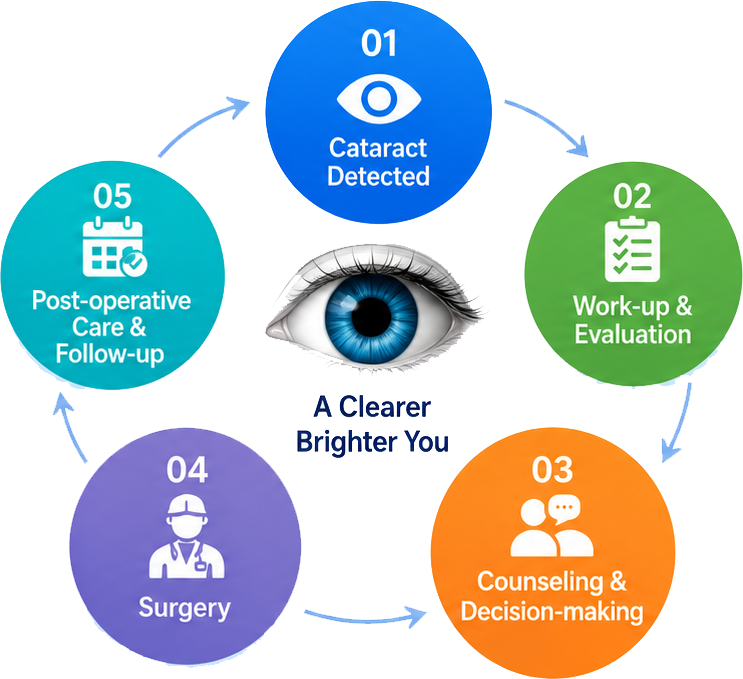
Once a cataract is detected, the next decision is whether it is the right time to undergo surgery.


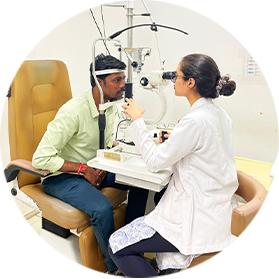

The more we understand about the eye before surgery, the better we can plan the procedure, anticipate potential challenges and align the visual outcome with expectations.
A detailed evaluation helps understand the eye, plan the surgery and identify factors that may influence the outcome.
Trifocal and EDOF lenses require additional evaluation beyond the cataract work-up. Not every eye or patient is suitable, and detailed assessment helps determine suitability.
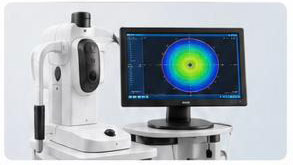

With the necessary information now available, the next step is to understand the options through counselling, followed by informed decision-making.

 Questions are important. Please feel free to ask anytime.
Several cataract surgery technologies are available today, and the terminology can sometimes be confusing. Understanding the differences helps in making an informed choice appropriate for the the eye.
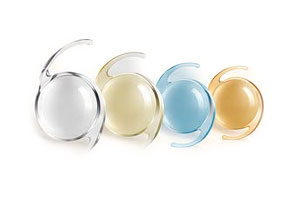
A wide range of intraocular lenses (IOLs) are available. The best lens depends on the individual's lifestyle, visual goals and expectations.

A smooth and comfortable experience with a well-planned process and a caring team.
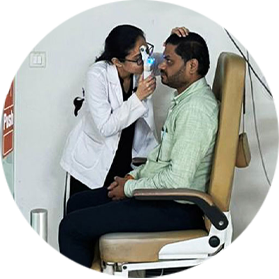
Follow the pre-operative instructions carefully. If anything is unclear, please ask again

Read Understand, Ask if unsure
The operating surgeon is decided in advance.
The surgeon chosen for your cataract surgery will perform the surgery as planned.

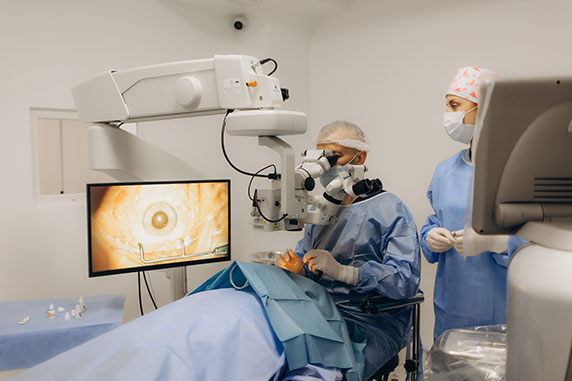
A typical cataract-surgery visit takes around three hours in the hospital, including preparation, surgery and observation. Actual time may vary.

Typical time in hospital: around 3 hours
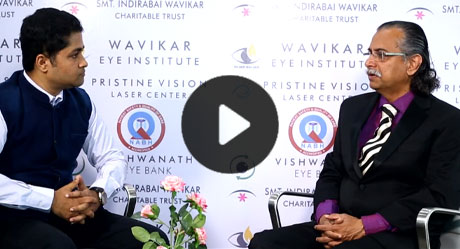
 Watch the video
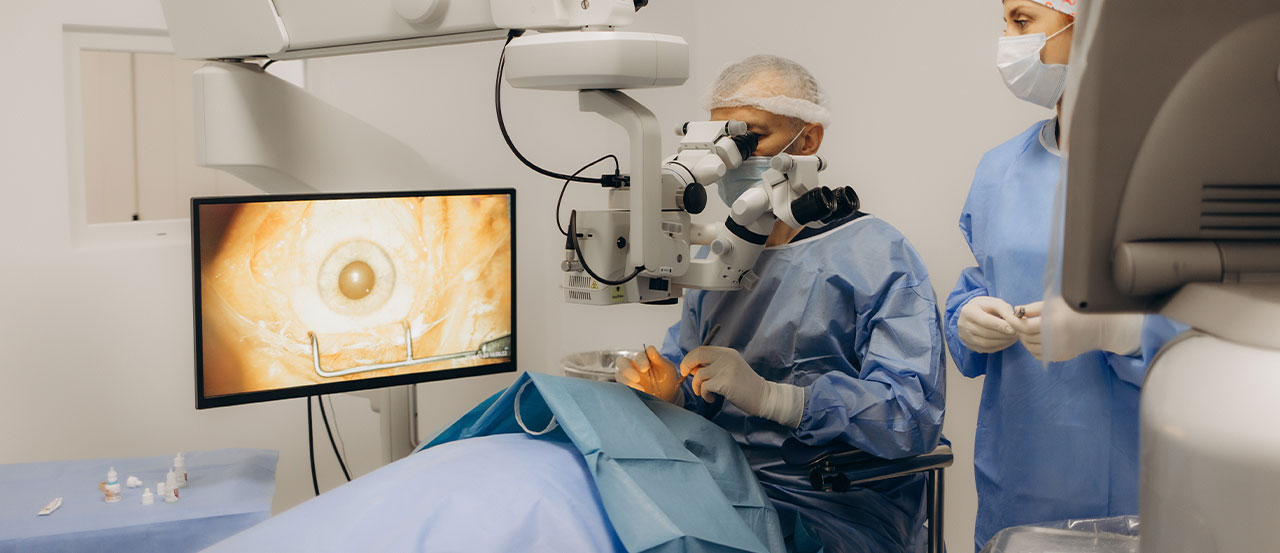
The video shows the usual cataract-surgery journey with Dr. Wavikar. Individual steps may vary depending on the surgeon, eye and procedure.
 Follow the post-operative instructions carefully and attend the scheduled follow-ups.

We continue to care for you after surgery, because your visual outcome matters to us.

Vision improves gradually and may vary from patient to patient depending on the eye, cataract type, and IOL. Regular follow-ups help ensure proper healing and timely care.


If you have any unexpected symptoms, concerns or questions after surgery, please contact us. We will attend to you on the phone and, if required, arrange an emergency consultation.
 Post-operative Help (24 x 7)
If you are unable to visit in person, a video consultation with the operated surgeon is available. Please speak to our receptionist to know how to schedule a video consultation.


Follow-up visits help ensure the best possible outcome.


However, as with any surgical procedure, complications are possible, although serious complications are uncommon.

Temporary dryness, irritation or blurred vision. Common and usually manageable.

Inflammation inside the eye can occur after surgery and is usually treated with eye drops.

Such as lens position or clouding of the capsule (posterior capsule opacification) or rarely lens dislocation

Eye pressure may rise after surgery, especially in people with glaucoma. It is monitored and treated if needed.

In rare cases, there can be swelling or detachment of the retina, particularly in people at higher risk.
At Wavikar Eye Institute, serious complications following cataract surgery are uncommon. The focus is on early recognition, clear explanation of the situation, appropriate treatment, close follow-up and continued communication. With timely management, most problems can be addressed effectively and a satisfactory final outcome can often still be achieved.
Early recognition Better management Peace of mind
Make an informed decision with expert guidance.
Cataract surgery is not just about removing the cataract-it is about making the right decisions for each eye. At Wavikar Eye Institute, detailed evaluation, personalised counselling, multiple surgical and IOL options, experienced surgeons and structured follow-up come together to plan care around the individual patient. Even when an eye is complex or an unexpected problem occurs, the emphasis remains on careful management, clear communication and continuity of care.


Comprehensive evaluation

Personalised counselling

Wide range of IOL and surgical options

Experienced surgeons

Structured follow-up
More complex situations. The same commitment to care and better vision.
Hard or mature cataracts, posterior polar or traumatic cataracts, and eyes with diabetes, glaucoma, retinal disease or previous eye surgery may be more complex. Recognising these factors beforehand allows the surgery to be planned appropriately and additional precautions to be taken where necessary.
Hard or mature cataract
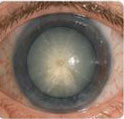
Posterior polar cataract
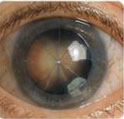
Traumatic cataract
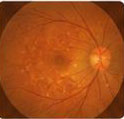
Diabetes (retinal changes)
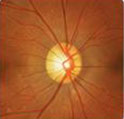
Glaucoma
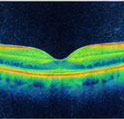
Retinal disease (e.g. macular degeneration)
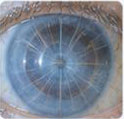
Previous LASIK or previous eye surgery
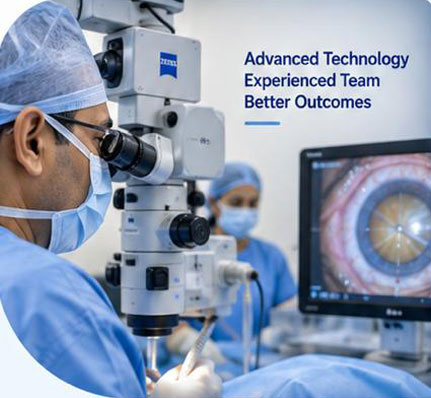
At Wavikar Eye Institute, complex cataract surgeries are performed regularly. Experience with such cases, together with careful pre-operative evaluation and appropriate surgical planning, helps the team anticipate additional challenges and manage them appropriately
While no surgical outcome can be guaranteed, many such patients can achieve very satisfactory visual outcomes with appropriate planning and care.

Personalized planning for a safer and better outcome
(Hard or mature cataract, posterior polar cataract, traumatic cataract, diabetes, glaucoma, retinal disease, previous LASIK or previous eve surgery.)
Read the detailed answer

Get the right information for your specific condition.

If you have already undergone cataract surgery but are still unhappy with the outcome, there may be ways to help.
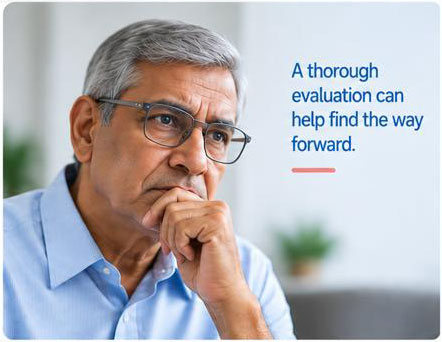
A detailed evaluation with appropriate tests can often identify the possible cause. Depending on the findings, there may be options to improve the situation or manage the symptoms.
Every case is unique, and the best possible advice can be given after a thorough assessment.

Detailed evaluation

Advanced testing

Expert opinion

Guidance on possible options
Get an expert opinion. Take the next step towards clearer and more comfortable vision.




 Watch Video