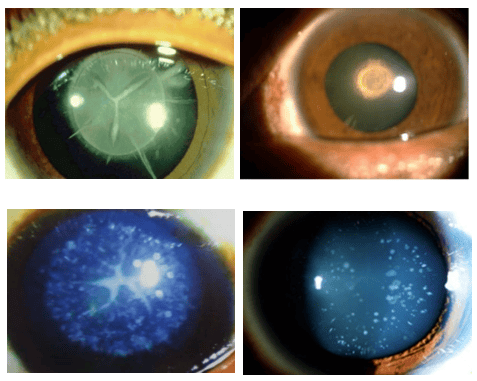
A paediatric cataract is a clouding of the natural lens of the eye that occurs in infancy or childhood. Unlike age-related cataracts, childhood cataracts interfere with the normal development of vision and therefore require prompt evaluation and treatment. Paediatric cataracts may be present at birth (congenital) or develop later due to trauma, metabolic disorders, infections, genetic conditions, or systemic diseases.
Children with cataracts may present with a white pupil (leukocoria), poor visual attention, wandering eye movements (nystagmus), squint, abnormal red reflex, sensitivity to light, or delayed visual development. In unilateral cataracts, symptoms may be subtle because the normal eye compensates.
Diagnosis involves a comprehensive examination by a paediatric ophthalmologist.
Treatment depends on the size, density, and effect of the cataract on vision. Small peripheral cataracts may only require observation with regular follow-up. However, visually significant cataracts require early cataract surgery, often within the first few weeks or months of life in congenital cases, to prevent irreversible amblyopia. Following surgery, visual rehabilitation is equally important and includes spectacles, contact lenses, or intraocular lens implantation depending on the child’s age and clinical condition.
Postoperative care is intensive and is the most important aspect of paediatric cataract management. It involves frequent follow-up visits, amblyopia therapy using patching, refractive correction in the form of glasses or contact lenses, and monitoring for complications such as glaucoma, inflammation, visual axis opacification, or refractive changes as the eye grows.
 Call Now
 Book Appointment
 Enquire Now